
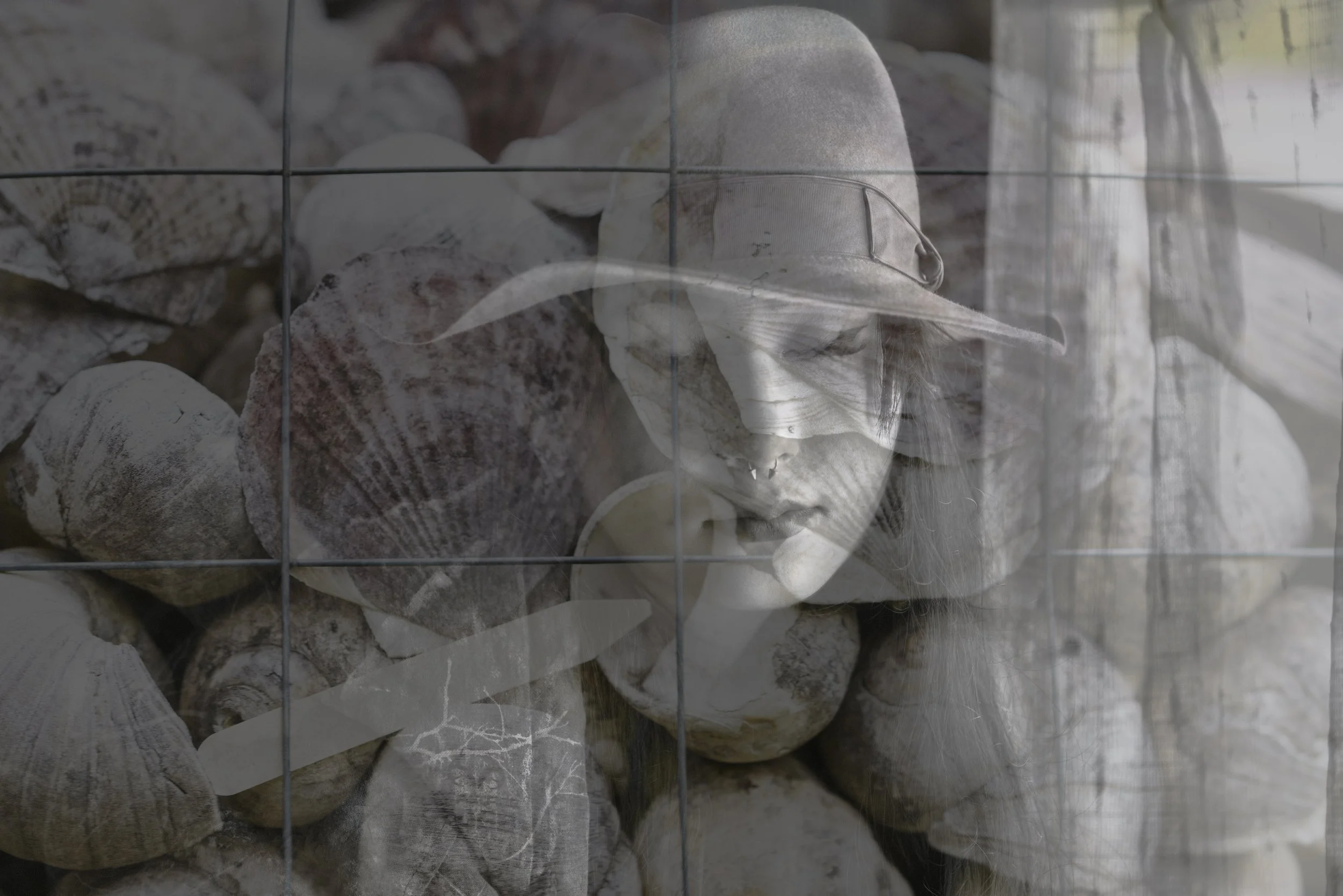
i too exist
Two gazes, one story.
Where the lens becomes a mirror.
Photographs and texts by
Kadance Romanchych
and Daria Cipriani
To those who feel invisible.
To the ones who speak without words.
To Kadance — who showed me what beauty looks like when it fights to be seen.
Where something is set free,
something begins
Kadance Romanchych – Artist’s Voice –
-To the land that holds our stories.To the ones who left traces.-
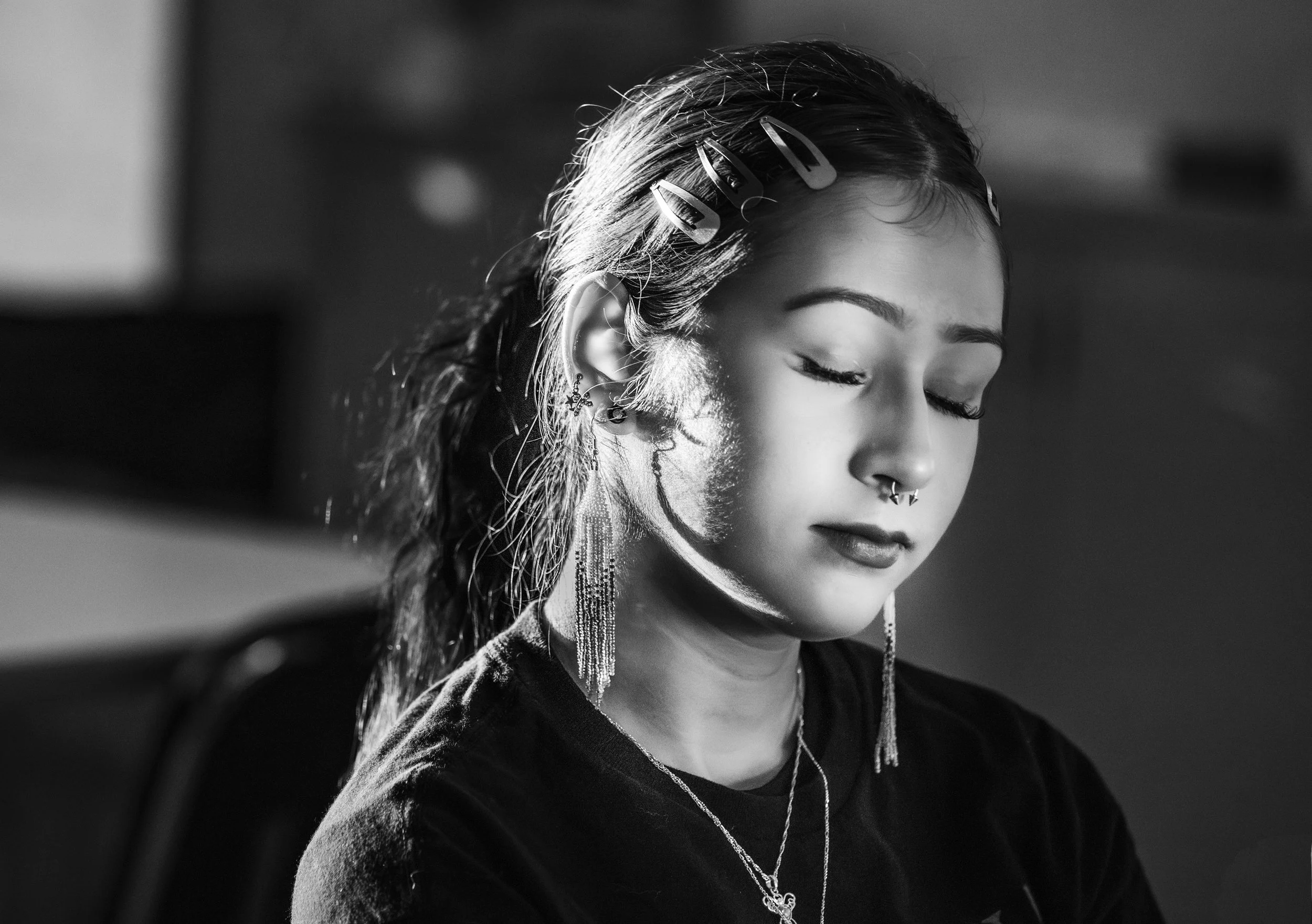
I’ve always found it hard to explain how I feel. I moved around a lot growing up, and sometimes I felt like I didn’t belong anywhere.
Being Haida and not living on the island made me feel disconnected — like I was always on the outside looking in.
Photography gave me an outlet I didn’t realize I needed — a way to express myself without having to find the perfect words.
When I take photos, I’m not just showing what’s in front of me. I’m showing what’s inside me too.
In this book, I wanted to explore who I am becoming — not just through the places I see, but by being seen.
The land we photographed holds history and memory, and I could feel that while we were shooting.
It was as if something deep within me was awakening —something that had always been there, even when I couldn’t hear it.
The land seemed to recognize me. As if it were saying: ‘You have always been part of this. Even when you felt far away.’
- I Too Exist - Is about finding that connection. To the land. To my culture. To myself.
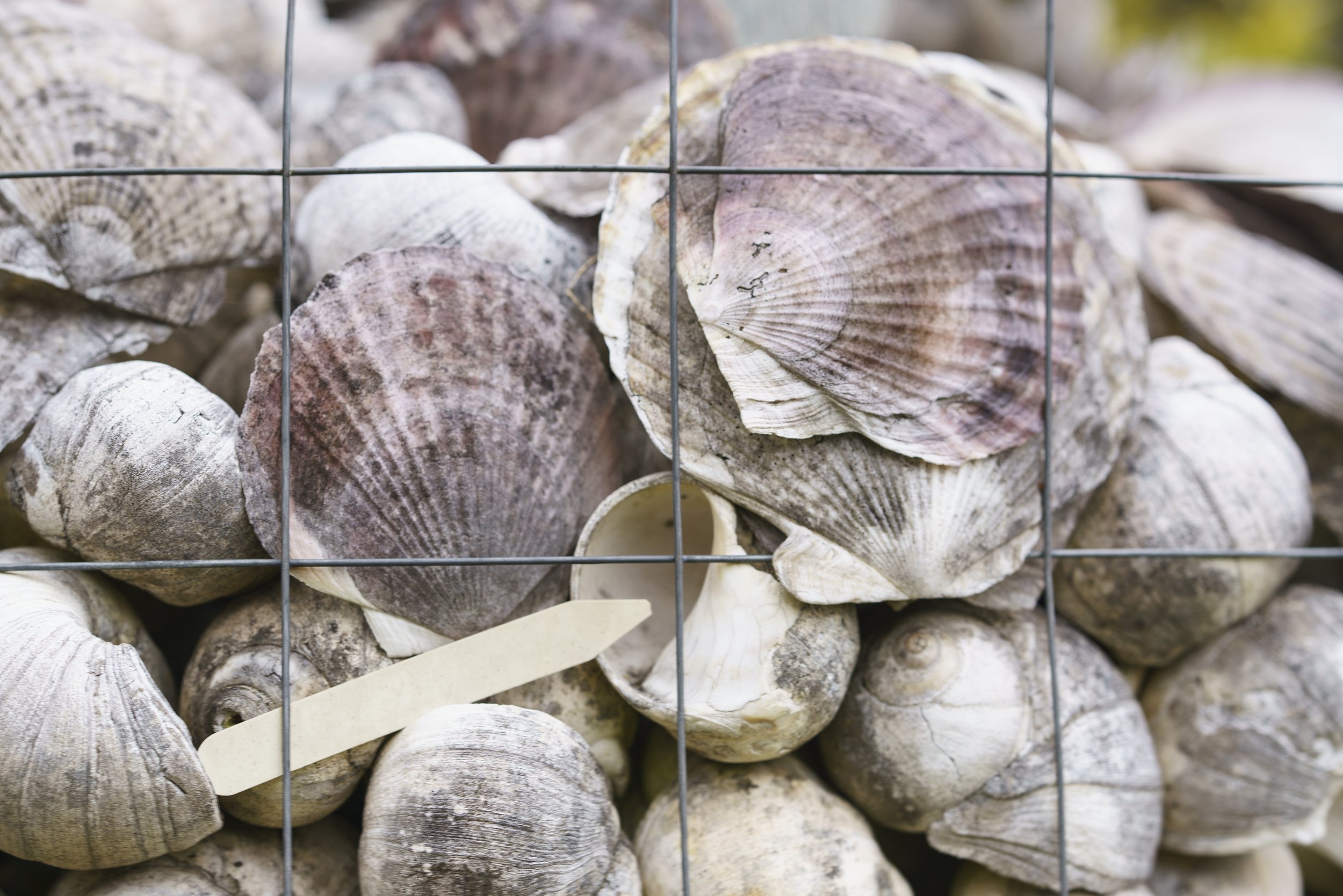
“These shells, trapped behind wires, reminded me of my own life - hollow and lifeless within, - yet outwardly adorned with a beauty that still catches the sunlight.”
This image is a haunting metaphor — a quiet scream. The sea-shells, once homes to living beings, now lay still behind metal wires. Their textures, worn yet intricate, reflect the paradox the artist so powerfully expresses: the contrast between outer beauty and inner desolation.
Her caption pierces through pretense, speaking of feeling caged, of being emptied by life’s blows, yet somehow still capable of reflecting light. It is a striking reminder that suffering is often hidden behind appearances — and that even in pain, there can be dignity, presence, and the will to be seen.
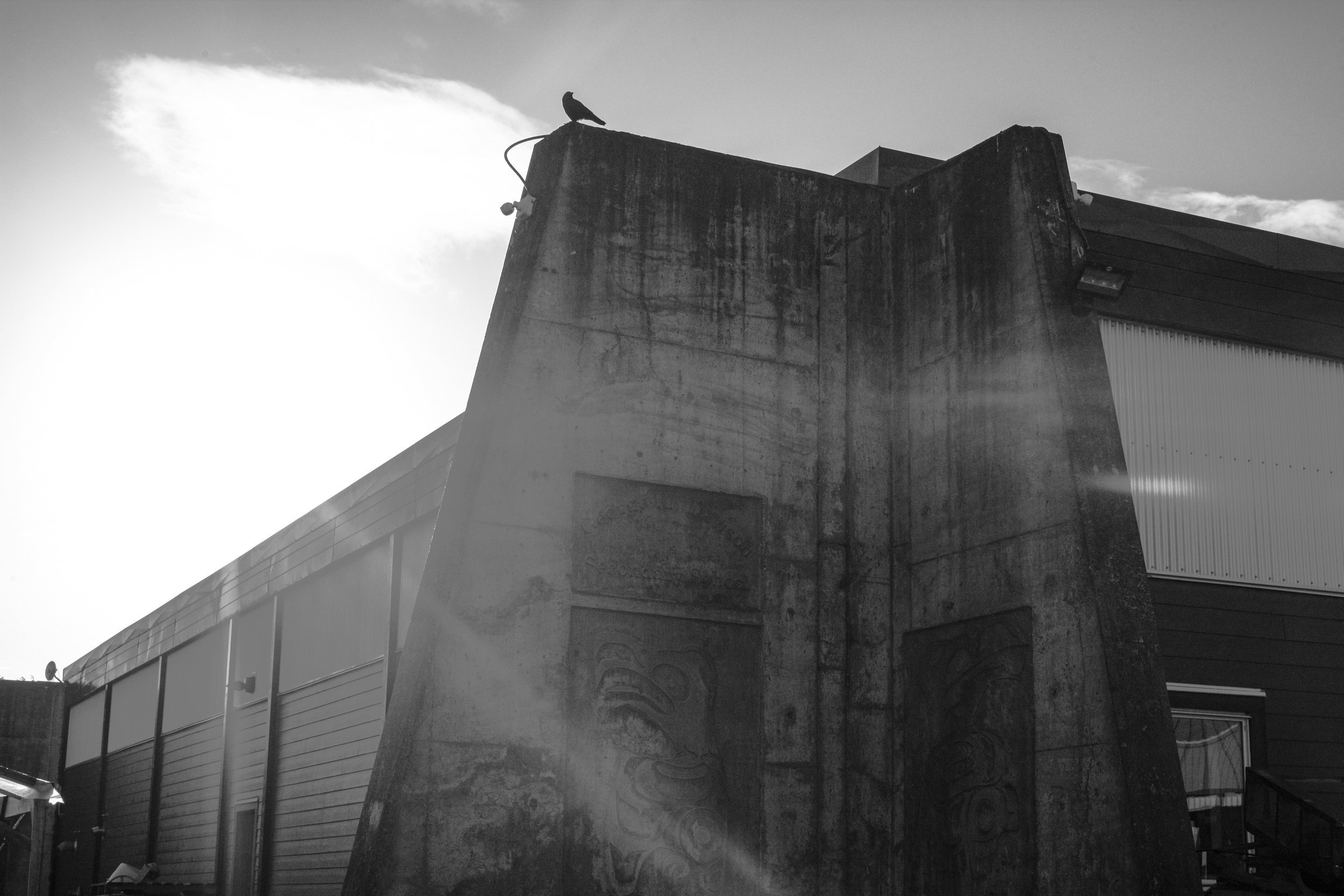
My school in Masset
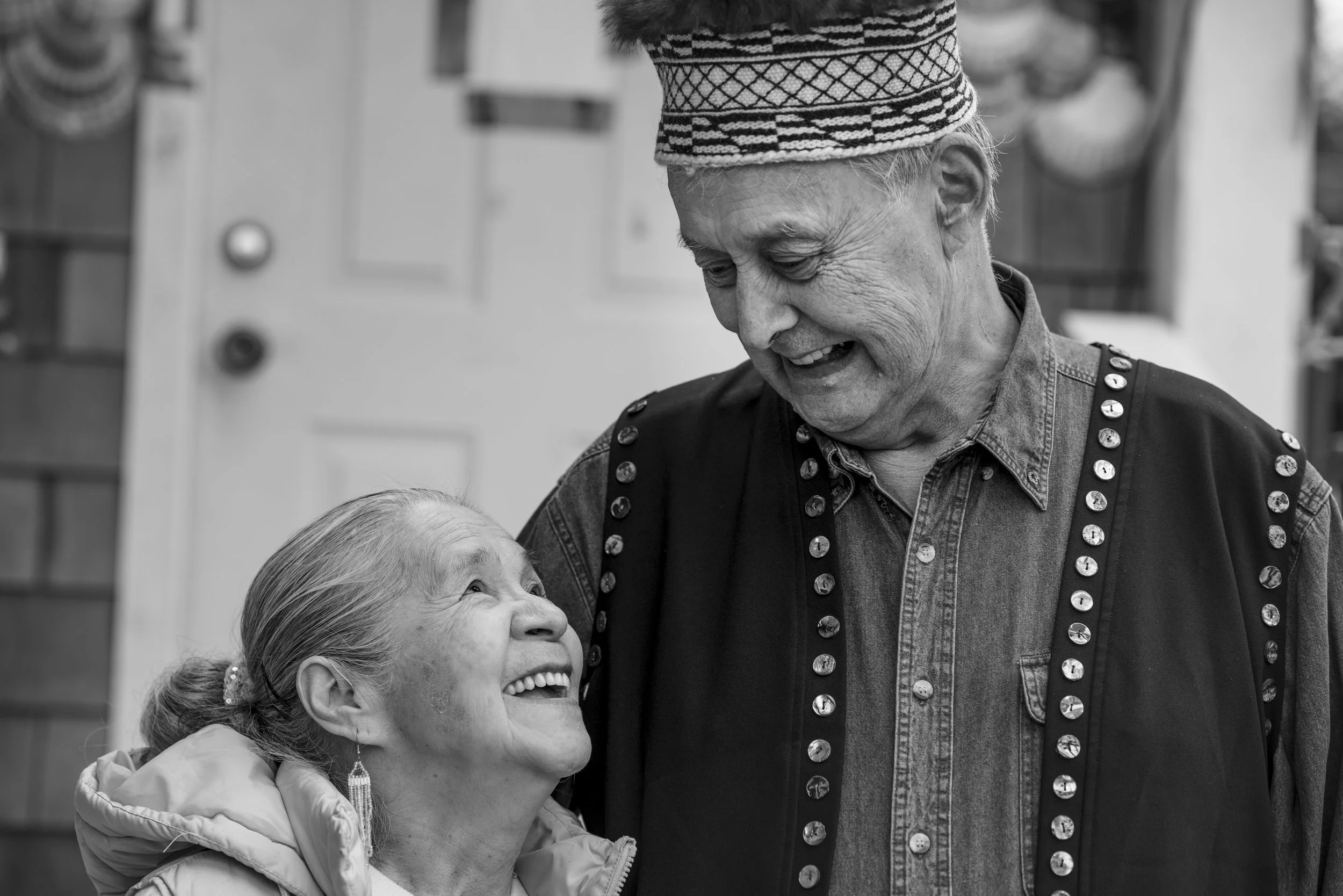
– Family: dii nàan and dii chan -
grandmother and grandfather on the mother’s side. Their names carry no weight in English.
In Haida, they echo like waves — soft, strong, repeated across generations.
Kadance holds their memory in gestures: the way she tilts her head, how she walks on moss, how she listens when the land speaks.
They are not past. They are still holding her hand.
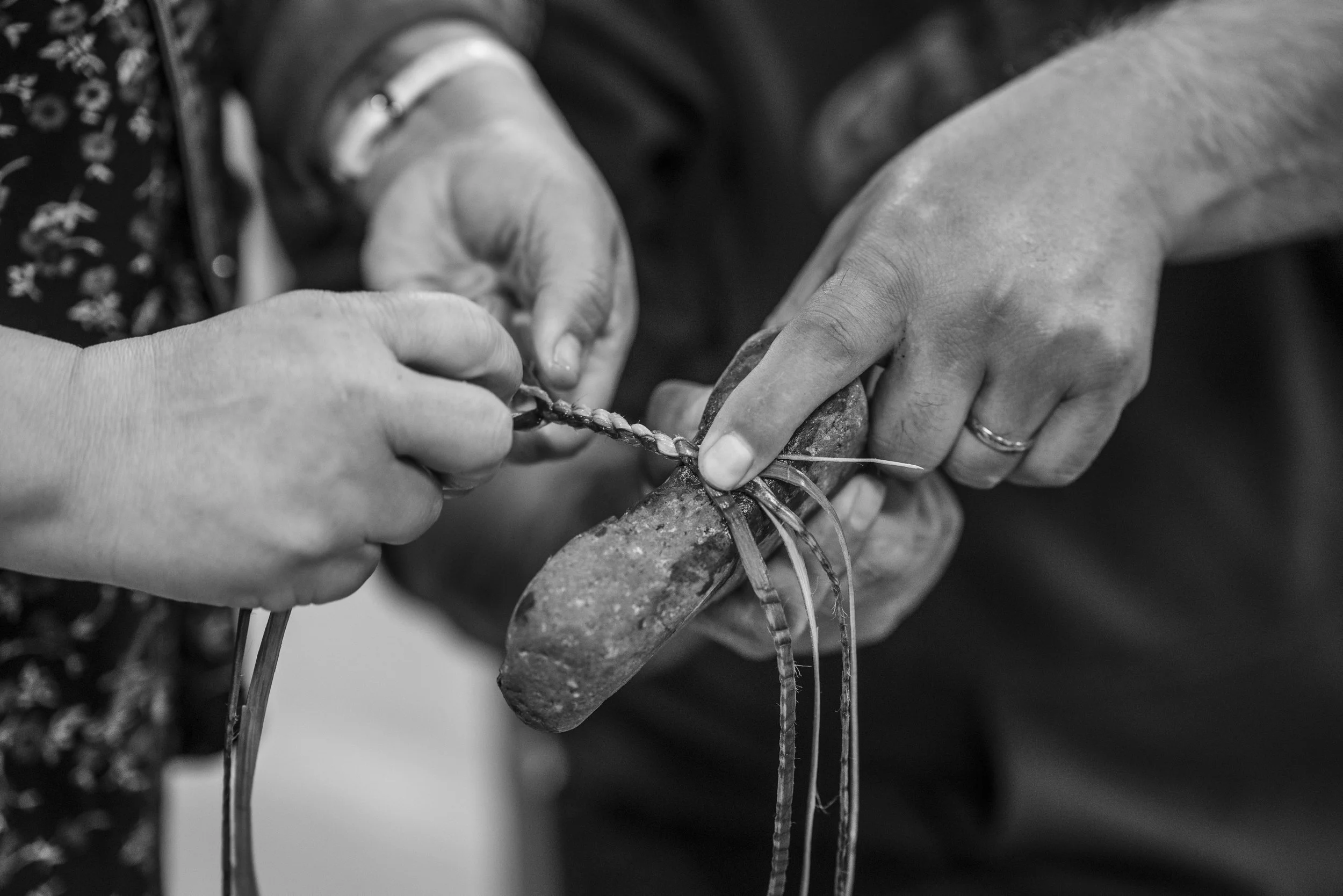
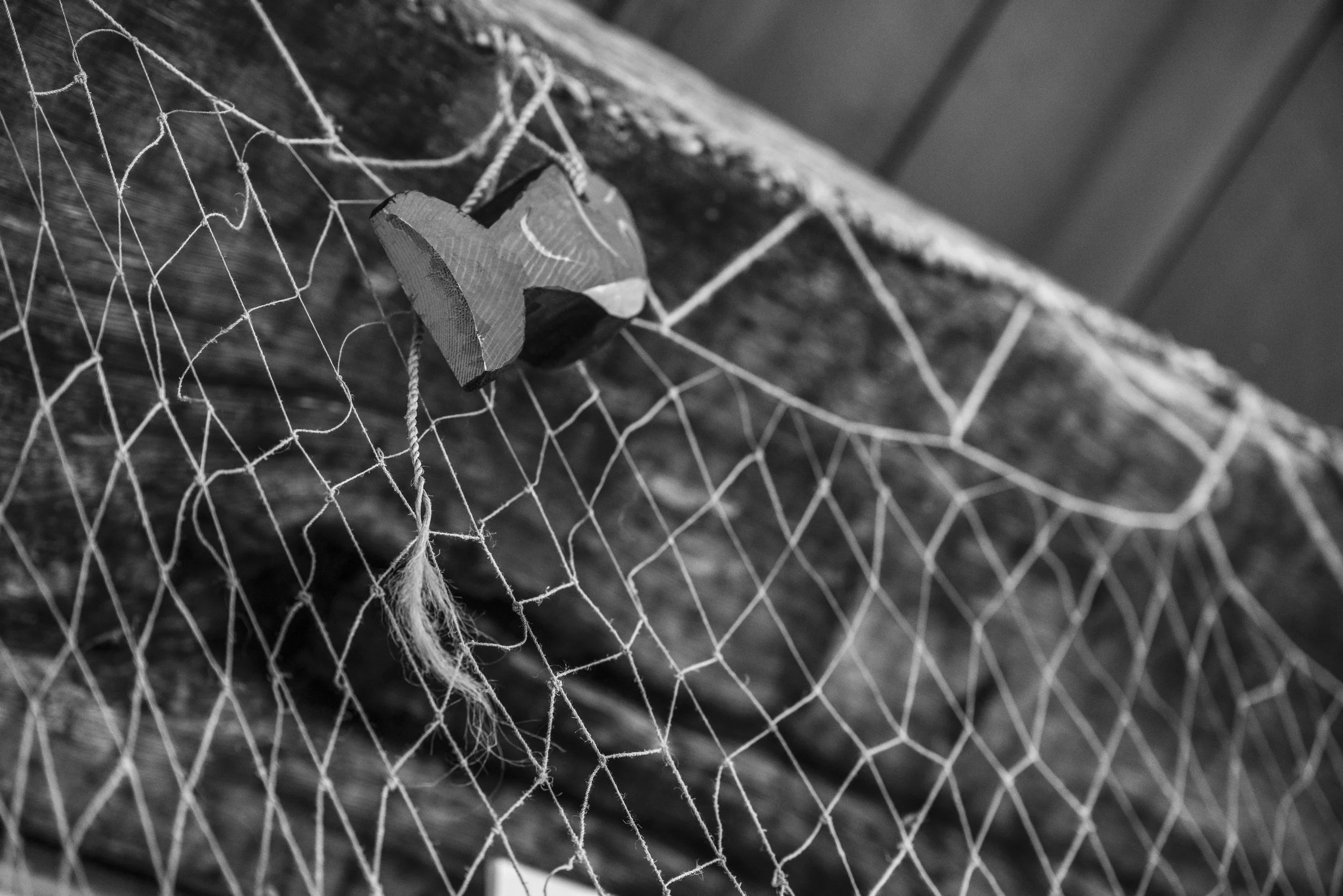
Haida people traditionally make nets by hand using bark.
This practice is a continuation of their cultural heritage and reflects their deep connection to the land and sea.
The bark, carefully harvested, is transformed into functional fishing tools — a sustainable art form passed through generations.
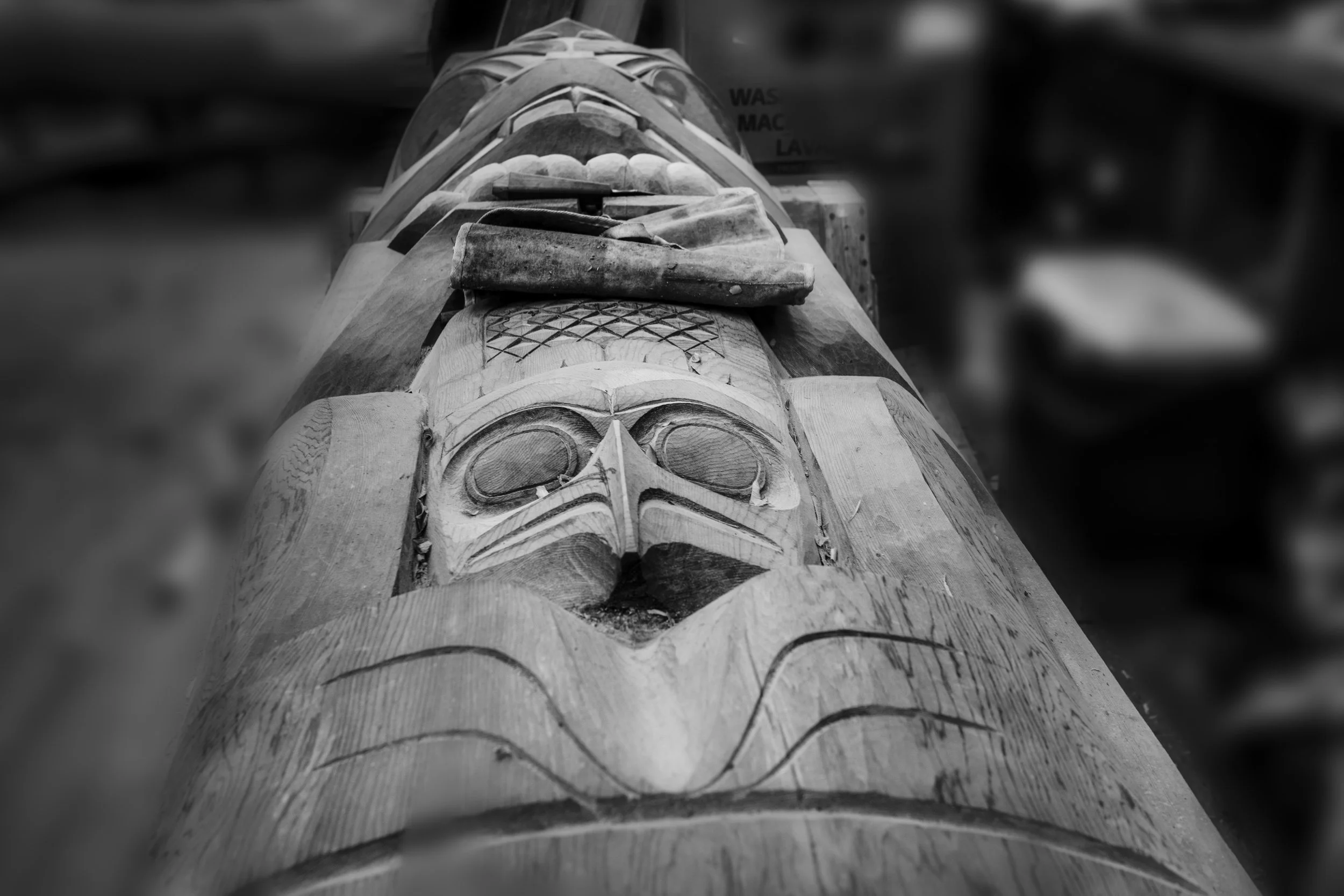
In Jaaleen Edenshaw’s workshop, wood is not inert matter.
It breathes. It responds. It yields to hands that do not forget. Every gesture is memory. Every carving, a conversation with the ancestors.
Here, knowledge is not written — it is engraved, passed on from body to body, from breath to breath.
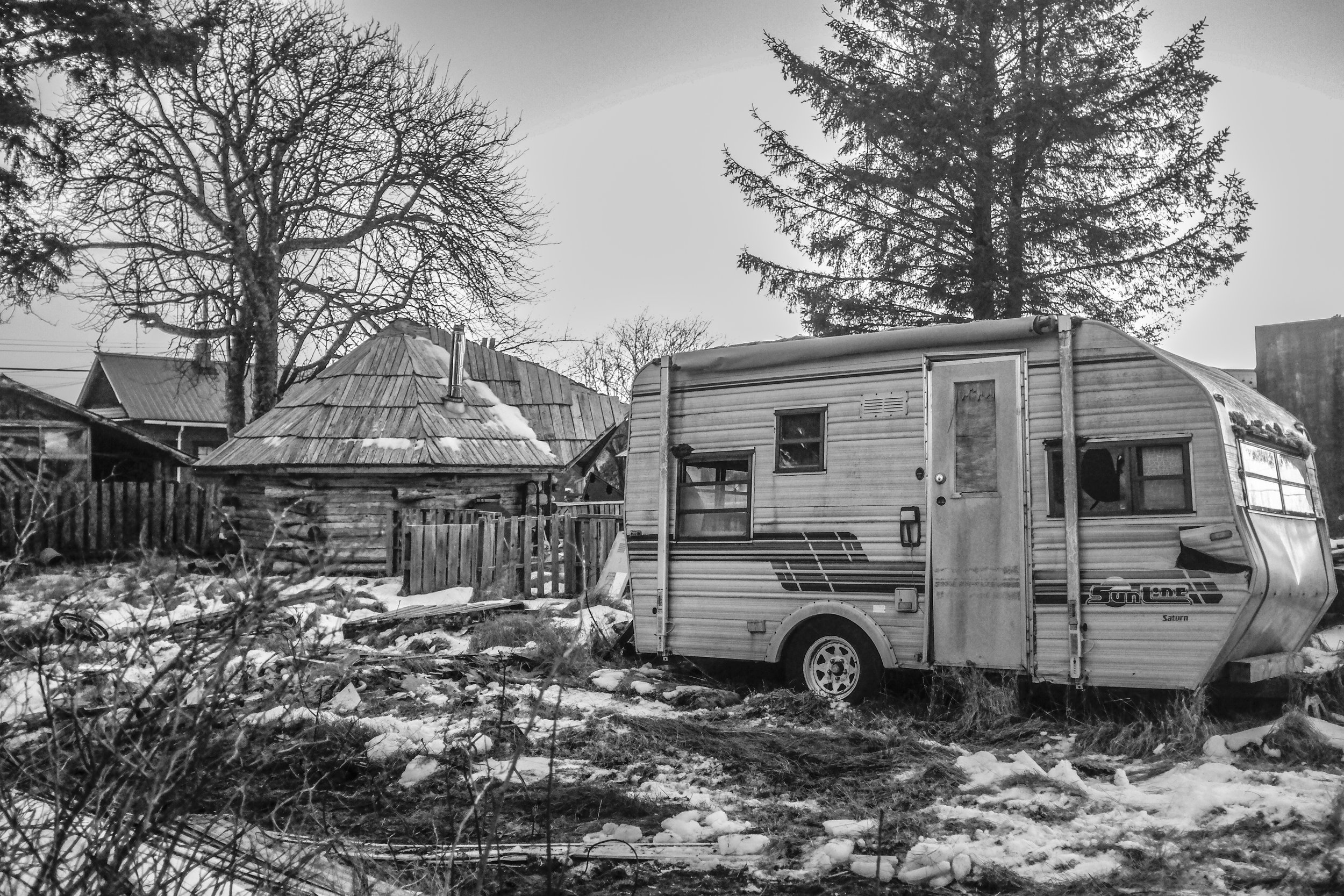
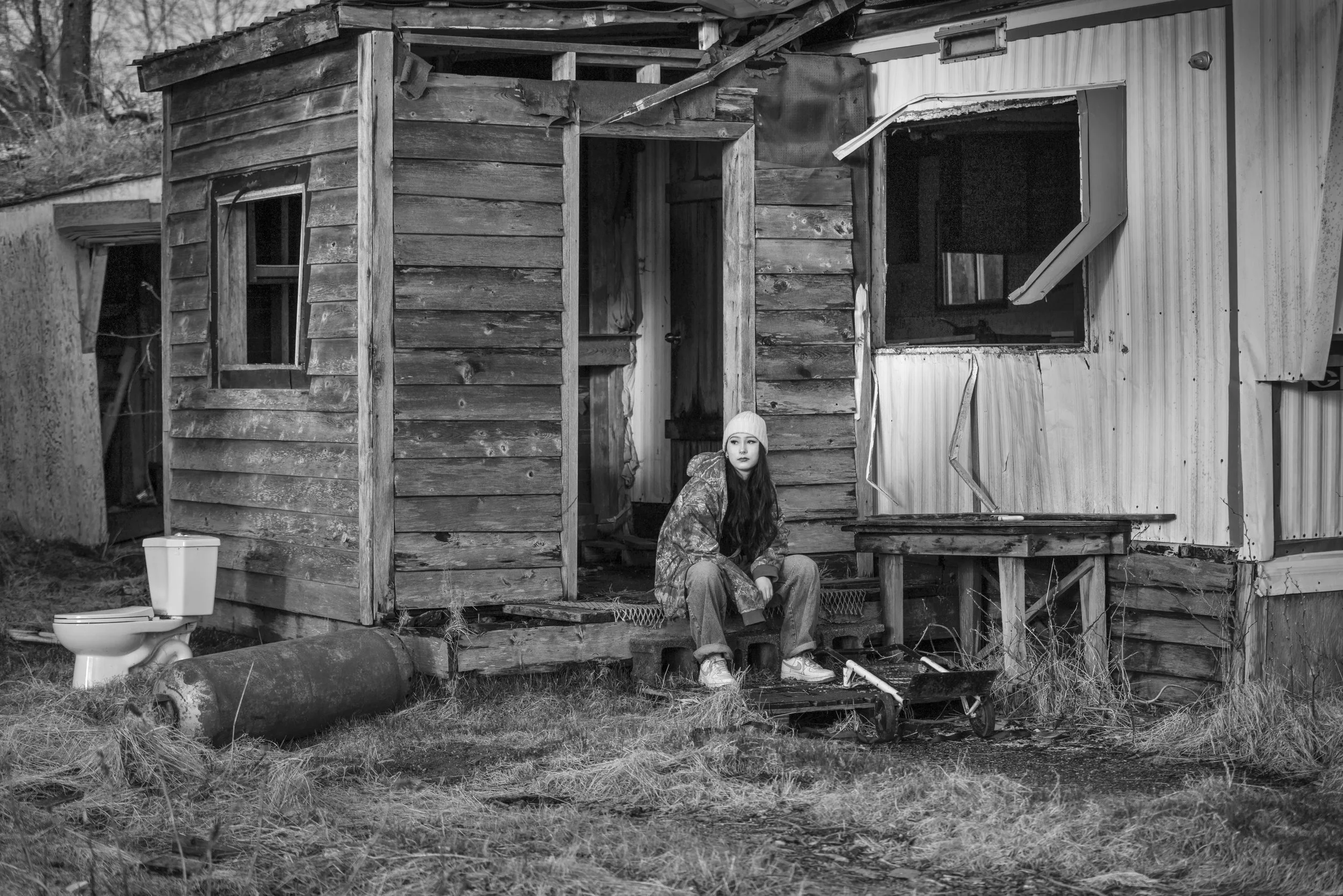
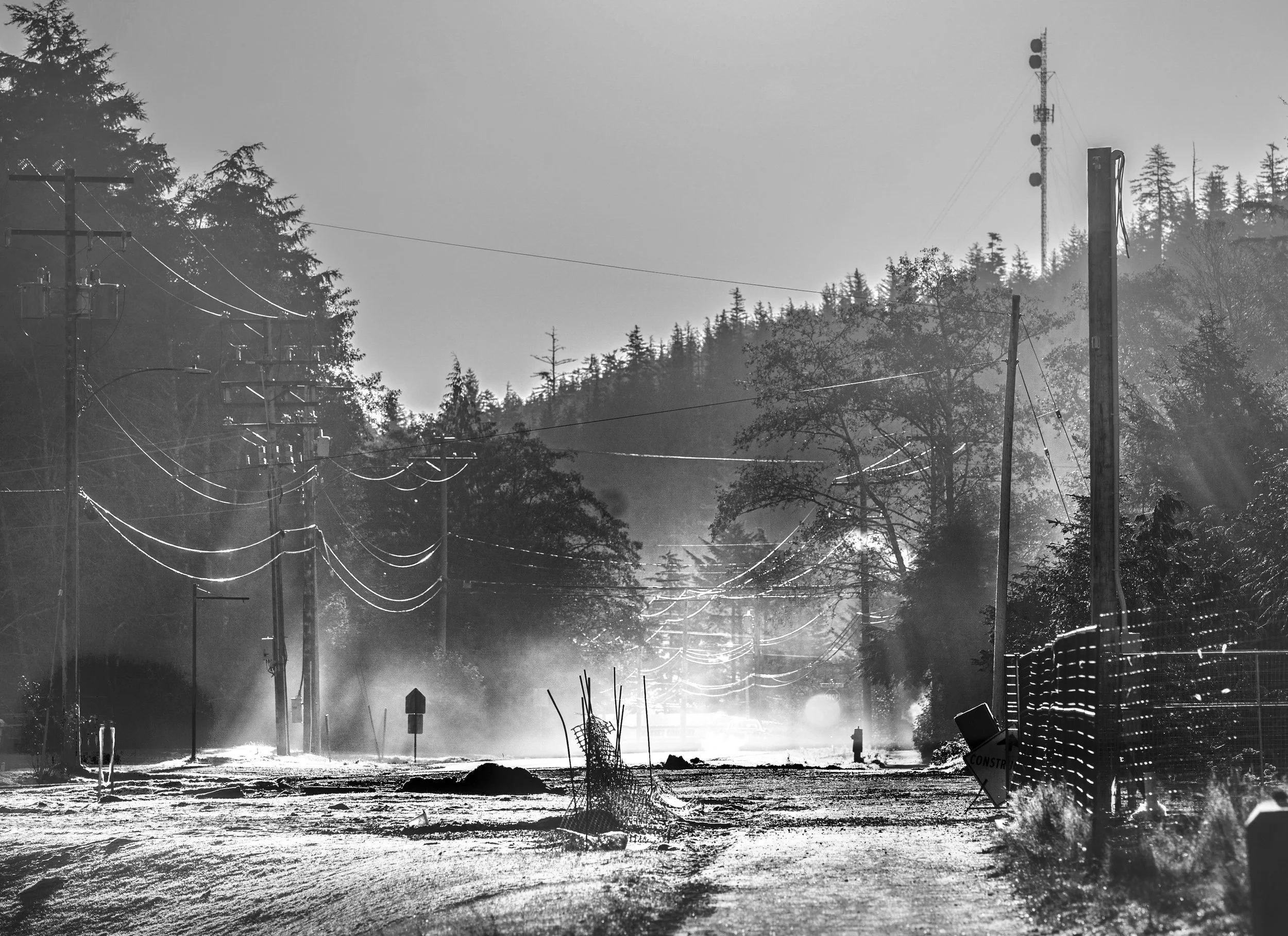
Trailer Park, Masset – Echoes of the Land - Some places never stop speaking.
We entered gently, with open eyes and quiet breath, to listen to what still lingers.
What we found there felt like memory, like story, like her.-
The Stage – Performing Life
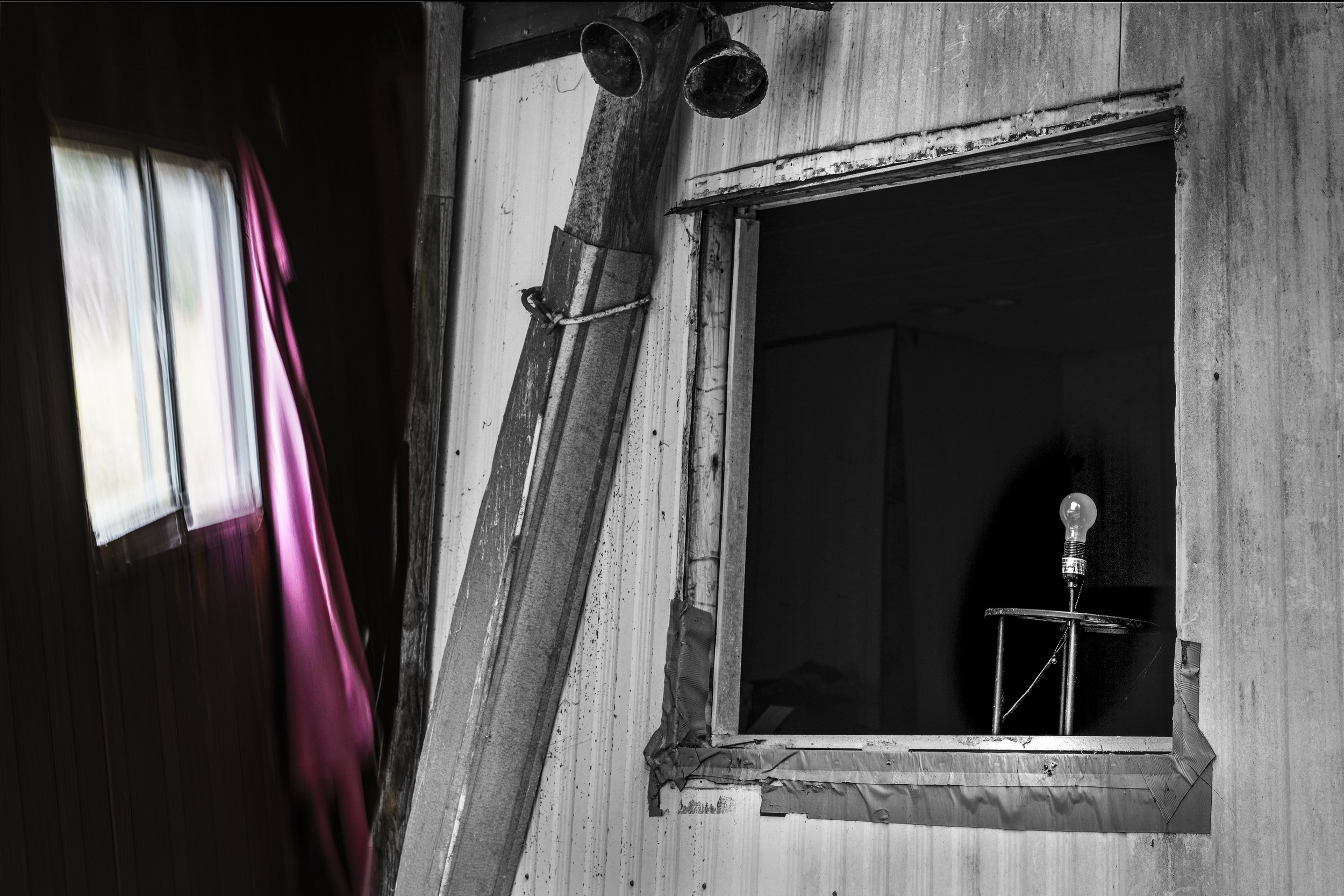
An empty room. The window opens, like a silent mouth. A single lightbulb glows — fragile, yet persistent.
This is where transformation begins. This abandoned space becomes a stage. Kadance steps into it as if into light. The bare, honest bulb illuminates a quiet truth: she is both subject and storyteller.
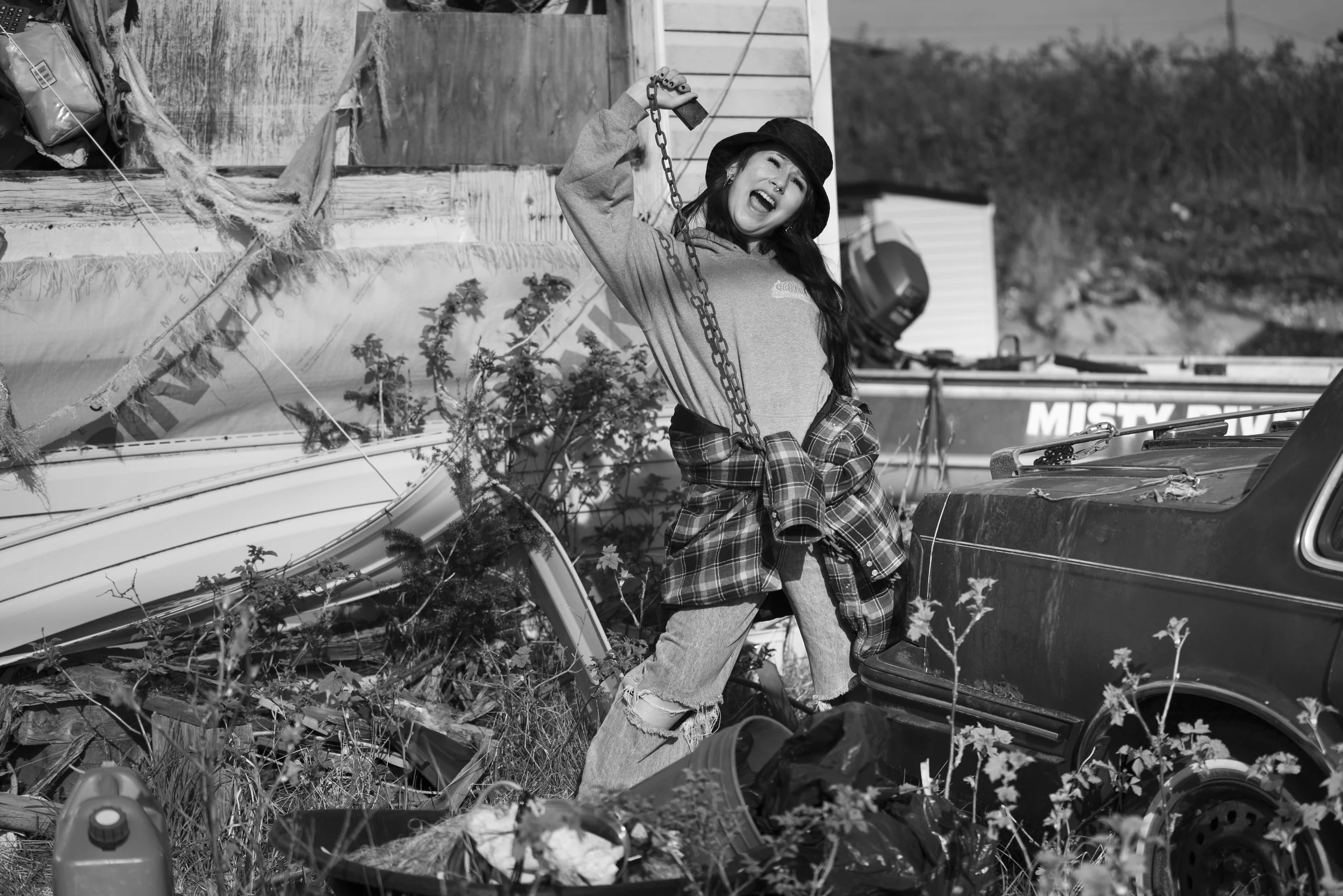
The Mirror – Becoming Seen
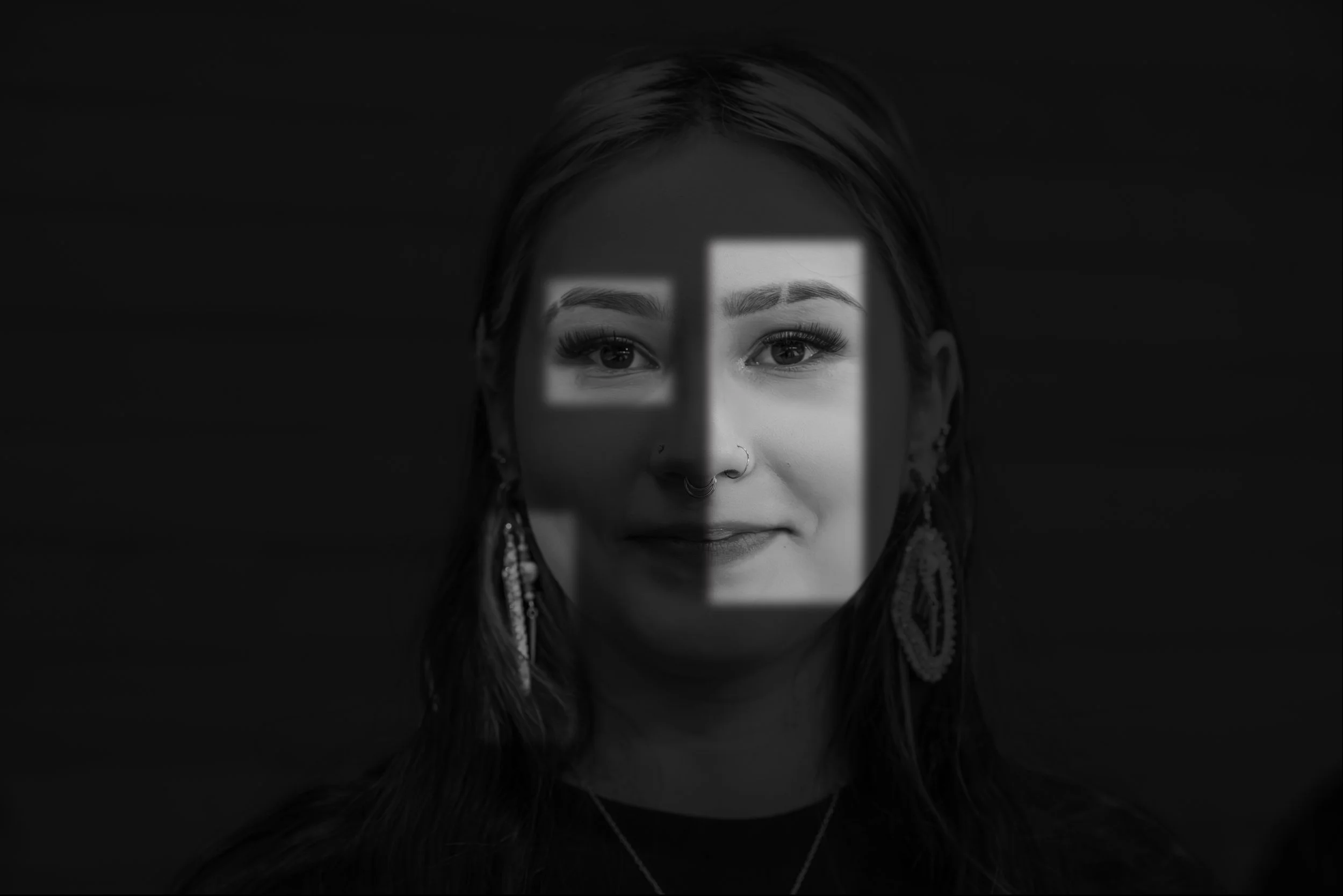
This is not just Kadance’s story. And it’s not only mine. It is a shared mirror reflecting layers, silences, spirits that endure. It speaks of being. Of finding one’s voice. Of breaking the silence without breaking apart. Of healing. And of that subtle beauty that sometimes emerges right within the crack.
The Dreamcatcher
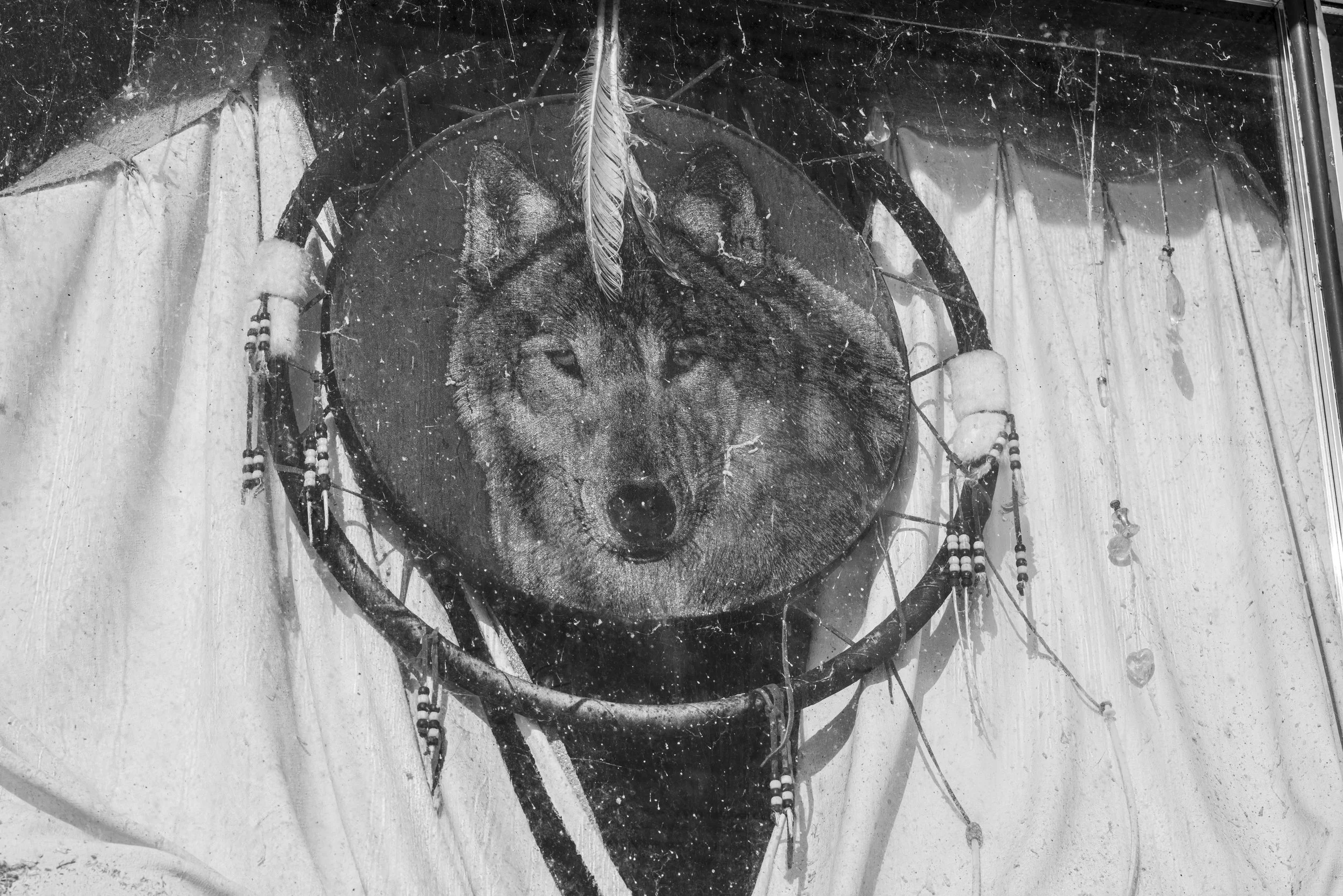
In the window: a dreamcatcher, with a wolf who sees everything.
Not just to trap nightmares — but to hold on to the dreams no one dared to say aloud. And to honor the guardians who visit us in sleep. The wolf does not warn — it watches.
And in its eyes, the stories we forget return like breath in cold air.
We look inward, but he gazes outward.
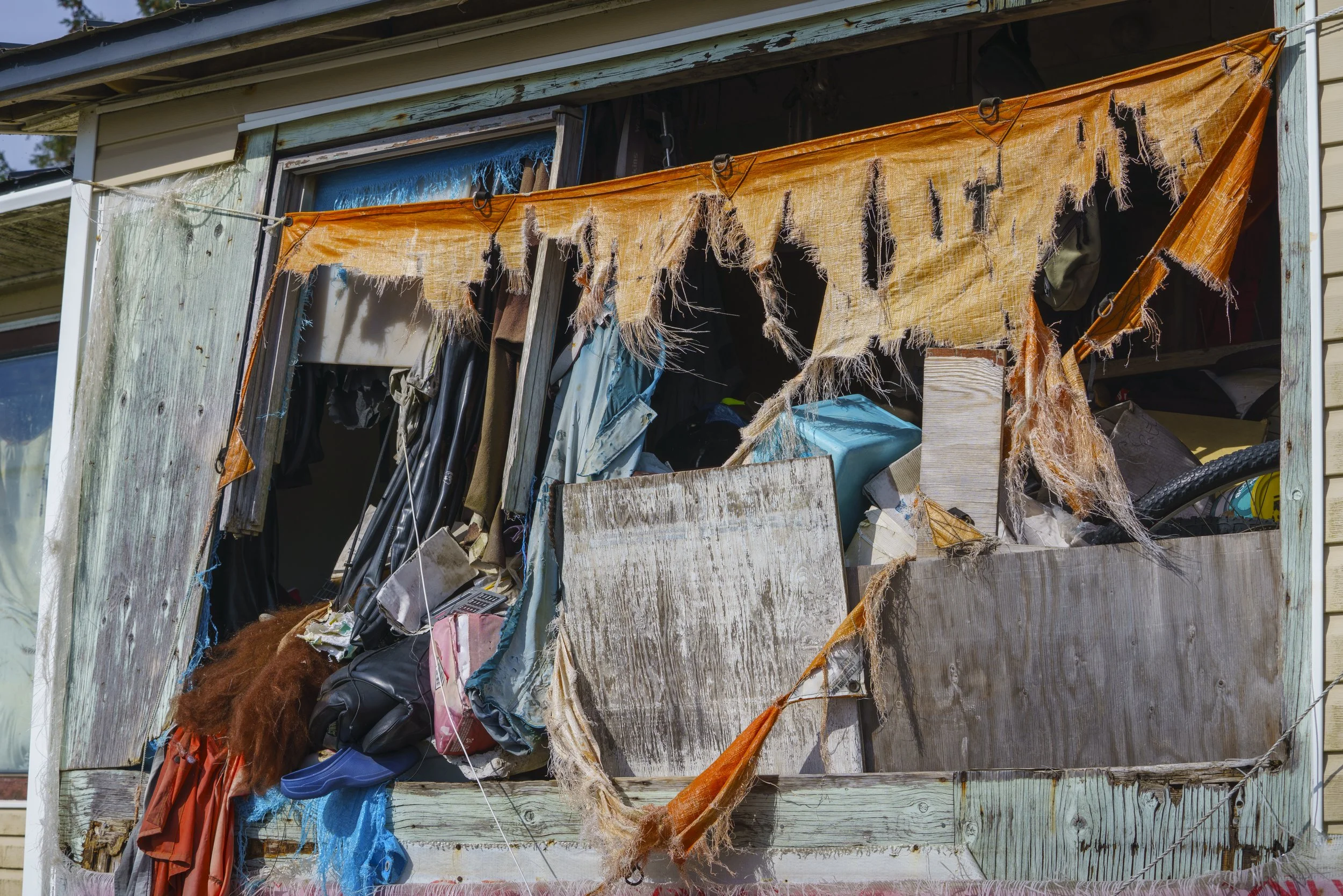
Sipario
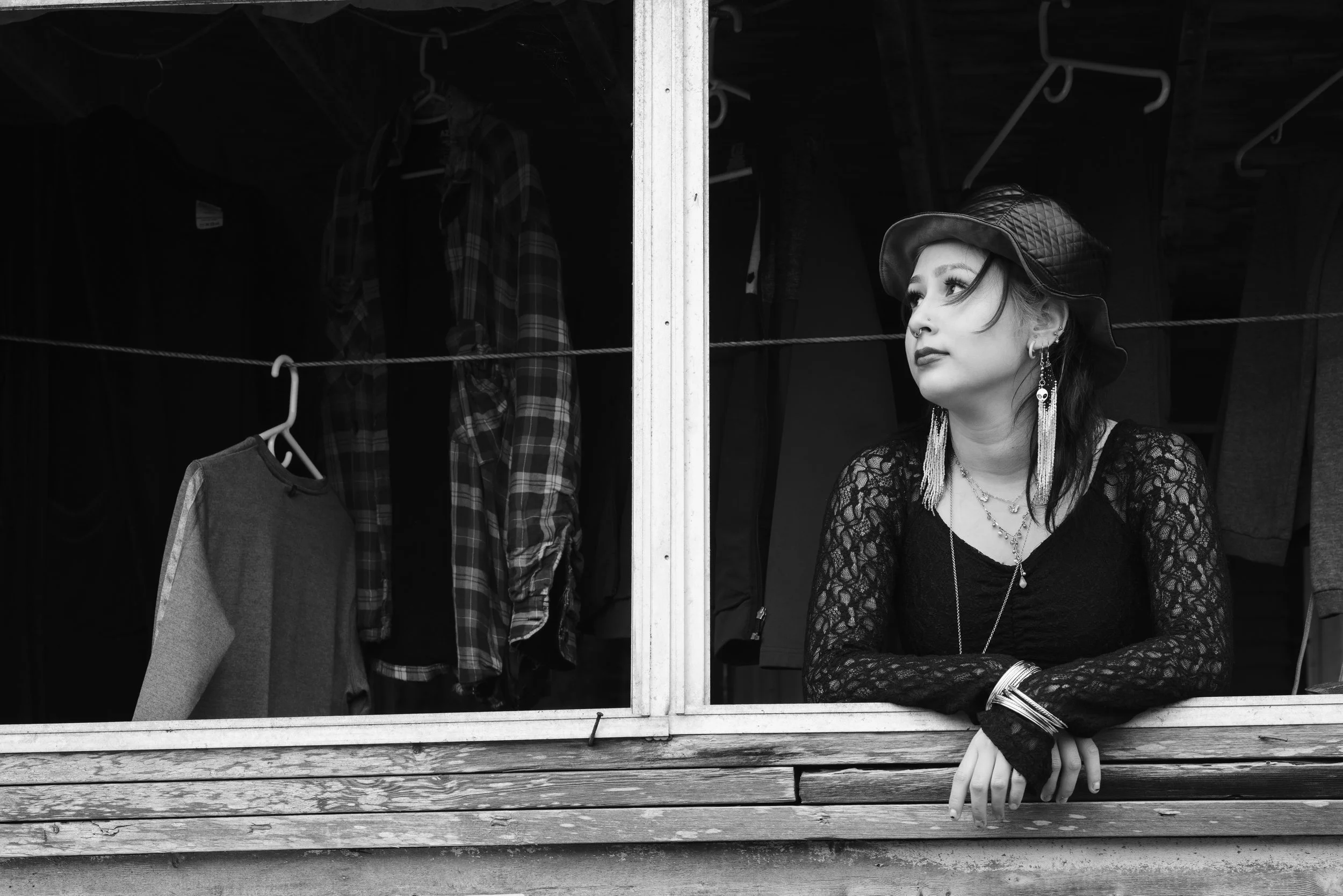
A window with no glass — its curtains not of velvet, but of rags and remnants, weathered by time, yet vibrantly alive.
They hang like a Sipario — the theater curtain —parting only slightly, as if teasing us with glimpses of the lives that play behind.
We don’t know their stories, but we imagine a past rich with voices, textures of memory stitched in every thread.
This is not decay — this is resilience in disguise. Even torn, they hold the dignity of presence.
- This is how it feels to stand between past and present — frayed, but not erased.-
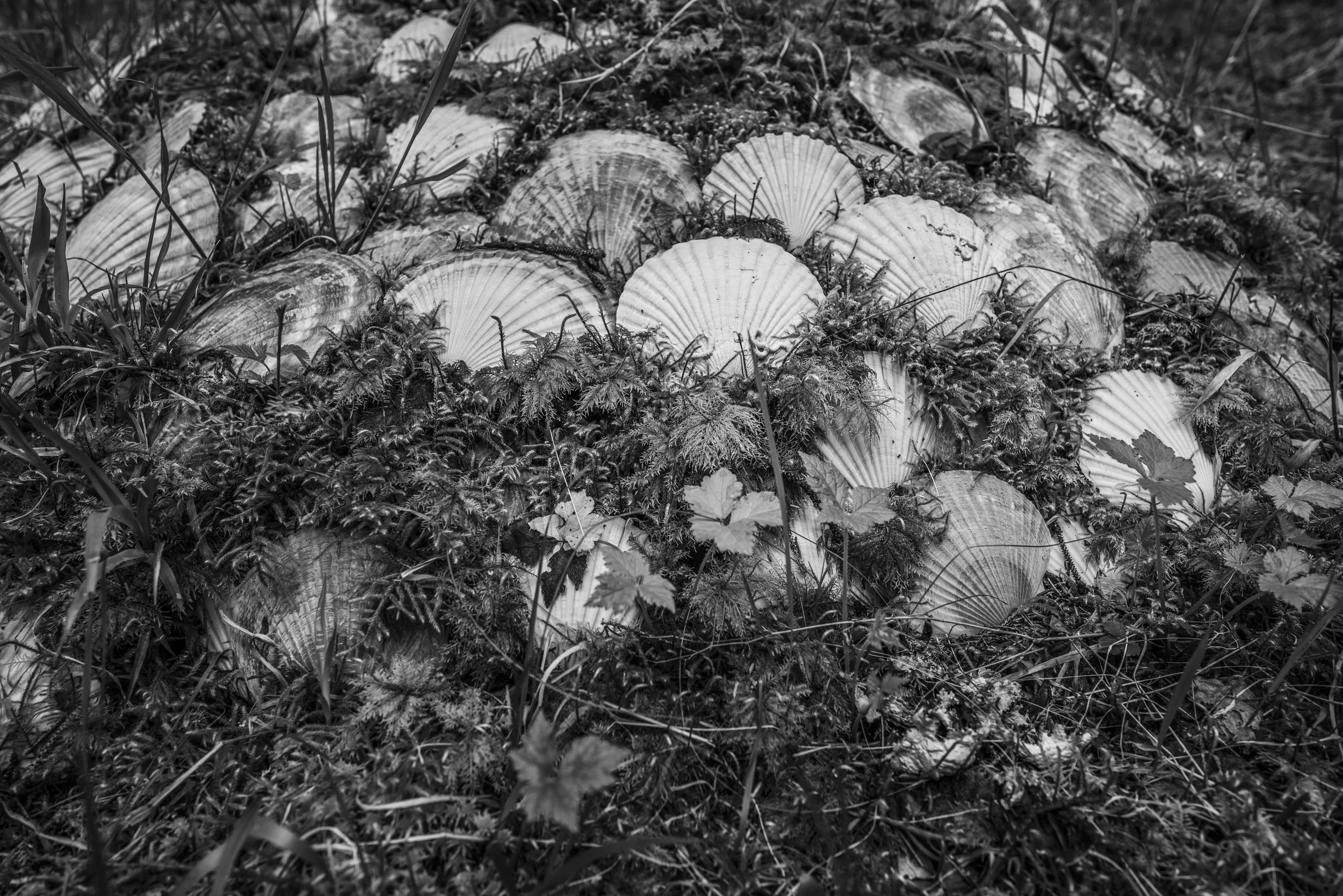
The Shells Are Free
Once trapped behind wires — now they lie gently upon moss,
in a forest’s hush, beside a nameless tomb, close to the sea.
These shells, like Kadance, have been released.
No longer hollow and confined, they now hold the murmur of freedom.
And if we listen closely, pressing them to our ears, we might hear the voice of the ocean.
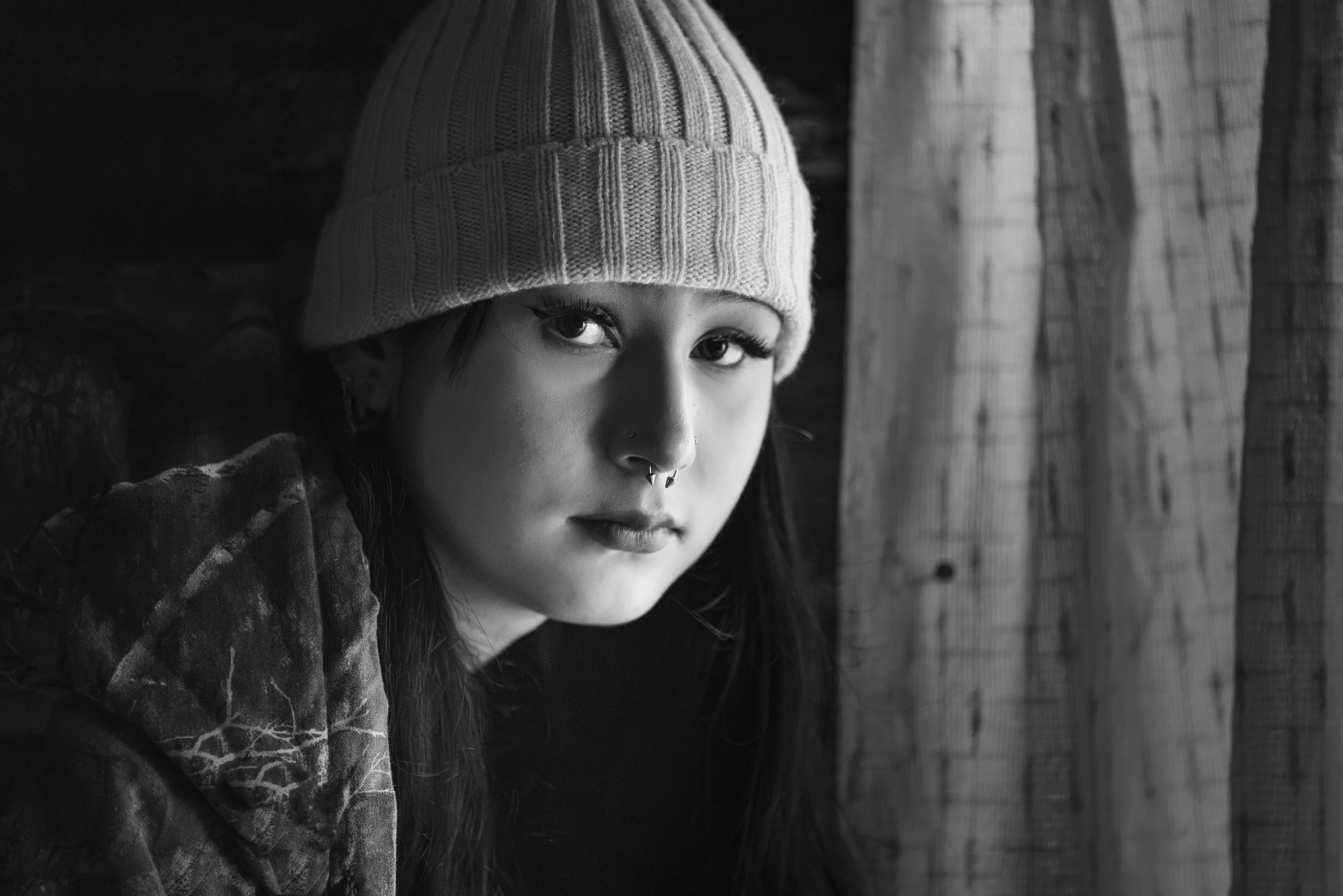
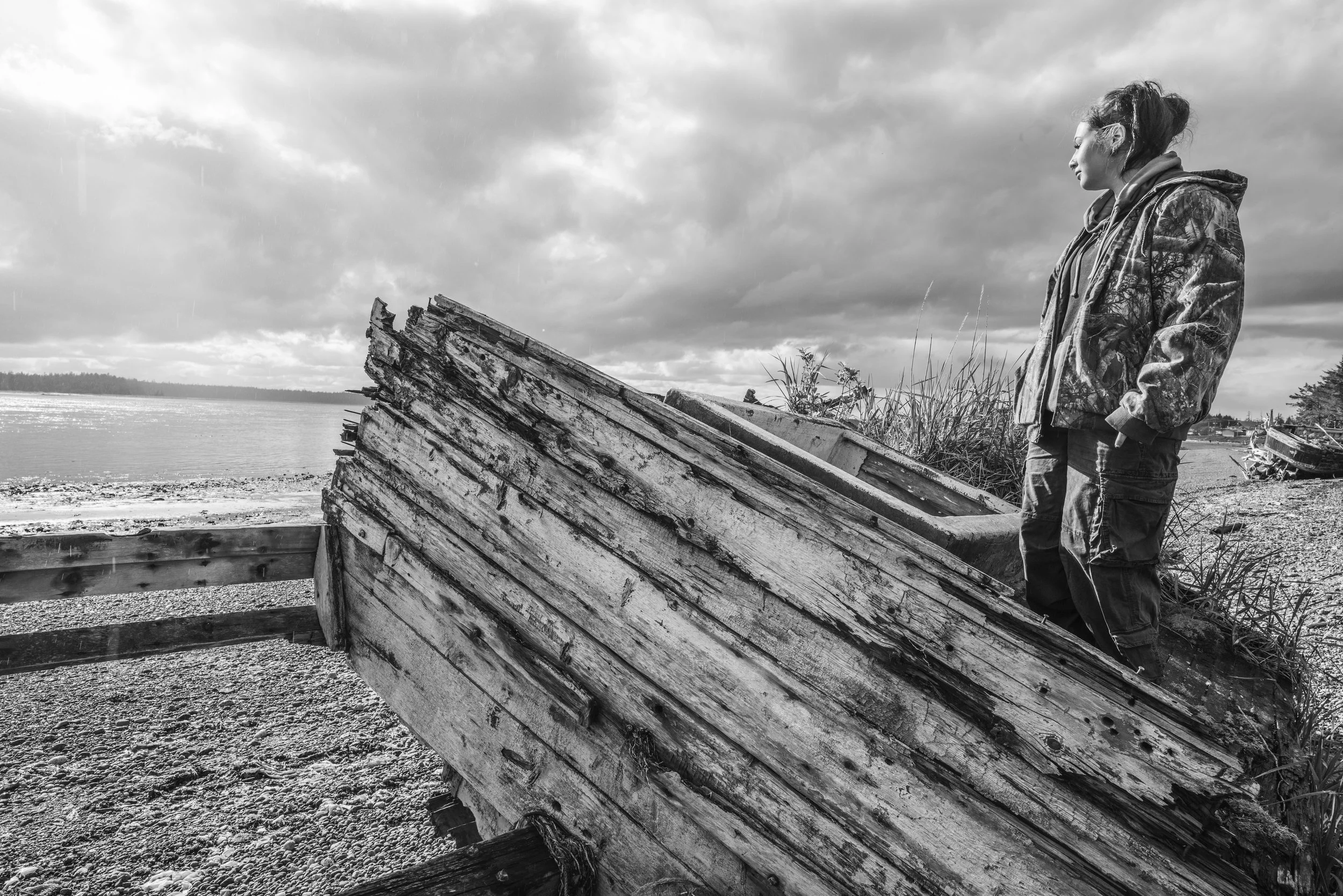
This Place Is Quiet. This place doesn't speak. But it remembers. It holds stories in the knots of wood, wounds time hasn’t erased.
I stand here, between what remains and what is yet to come. I’m no longer who I was, and I don’t yet know who I’ll become.
But I breathe. I search for my own space. I make room to be.
“I’m still learning where I belong. But now I know I do.”
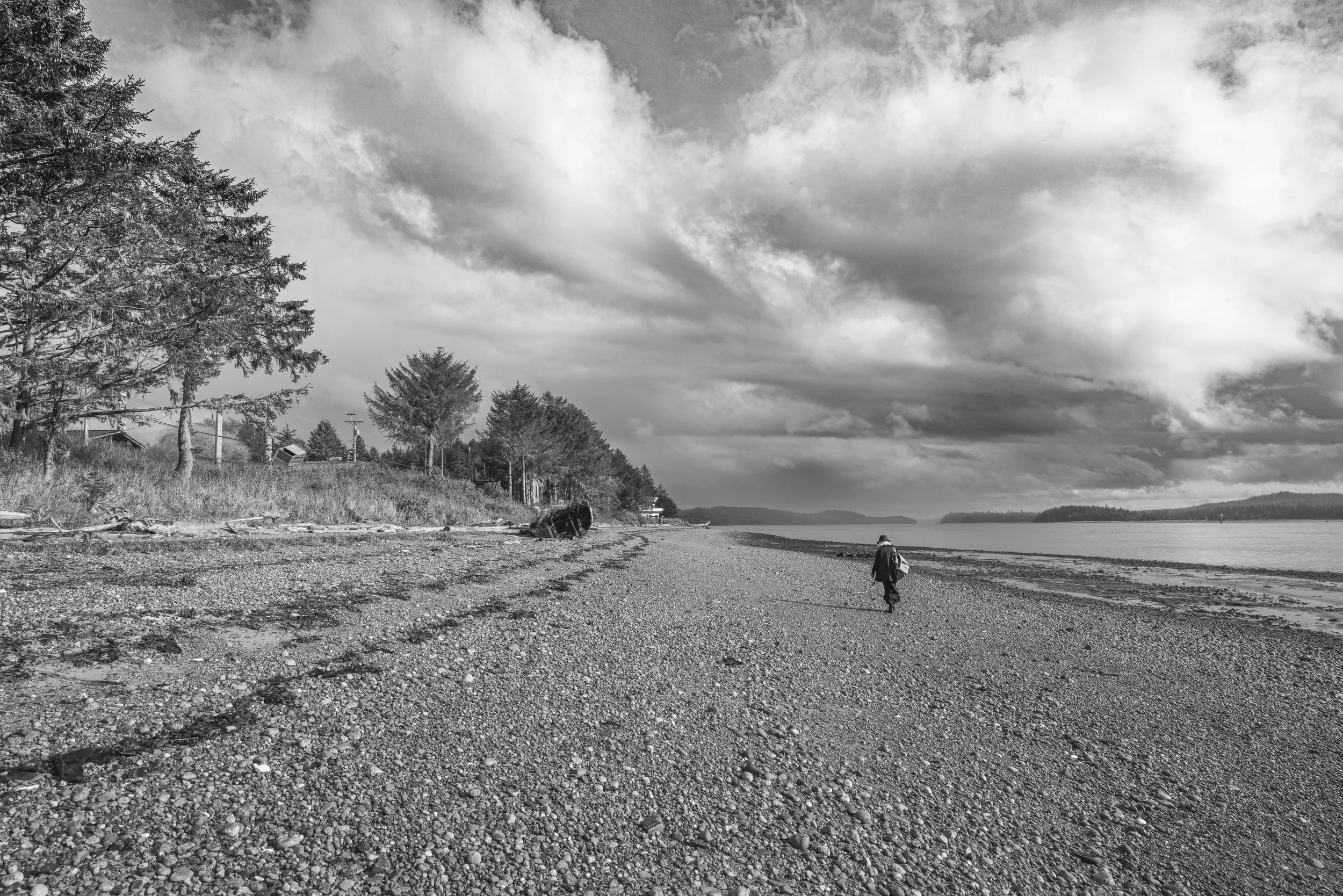
Exposed roots, abandoned hulls.
Everything that was is still here, not to hold you back, but to remind you—you’ve already endured.
Now is your time. I walk away, not to leave, but to give you space.
Become earth, sea, voice.
I remain, at the horizon — not in the way, just light. Something to return to when you need to find your bearings.
To exist is to be seen.
To be seen is to begin to become.
And becoming never ends.