The Queen of Sheba
— History, Myth, and Legacy
As I walk the streets of Addis Ababa and Lalibela during Timkat, a mysterious energy surrounds me.
It has ancient roots. It smells of incense and memory. It speaks in a language I cannot fully decipher.
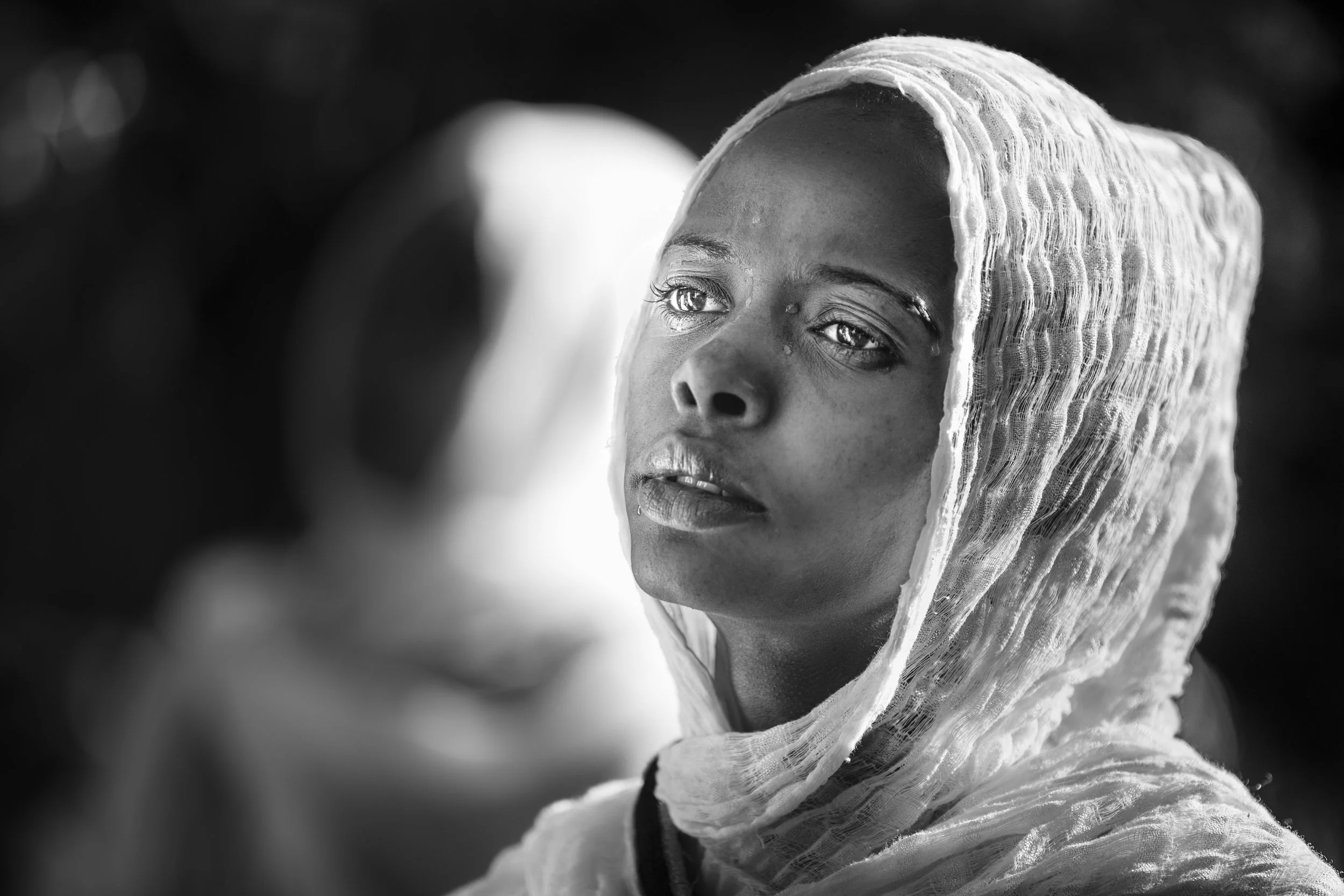
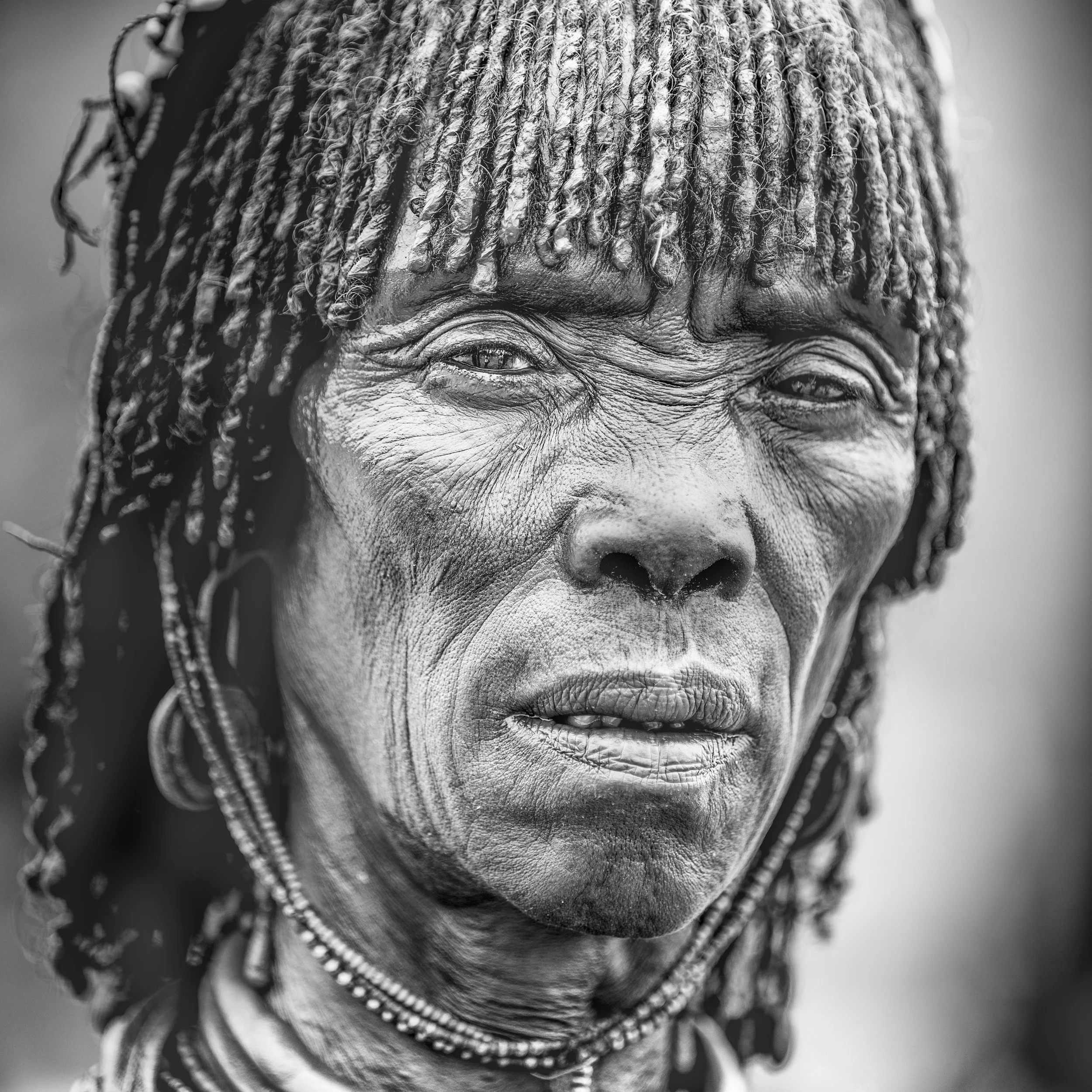
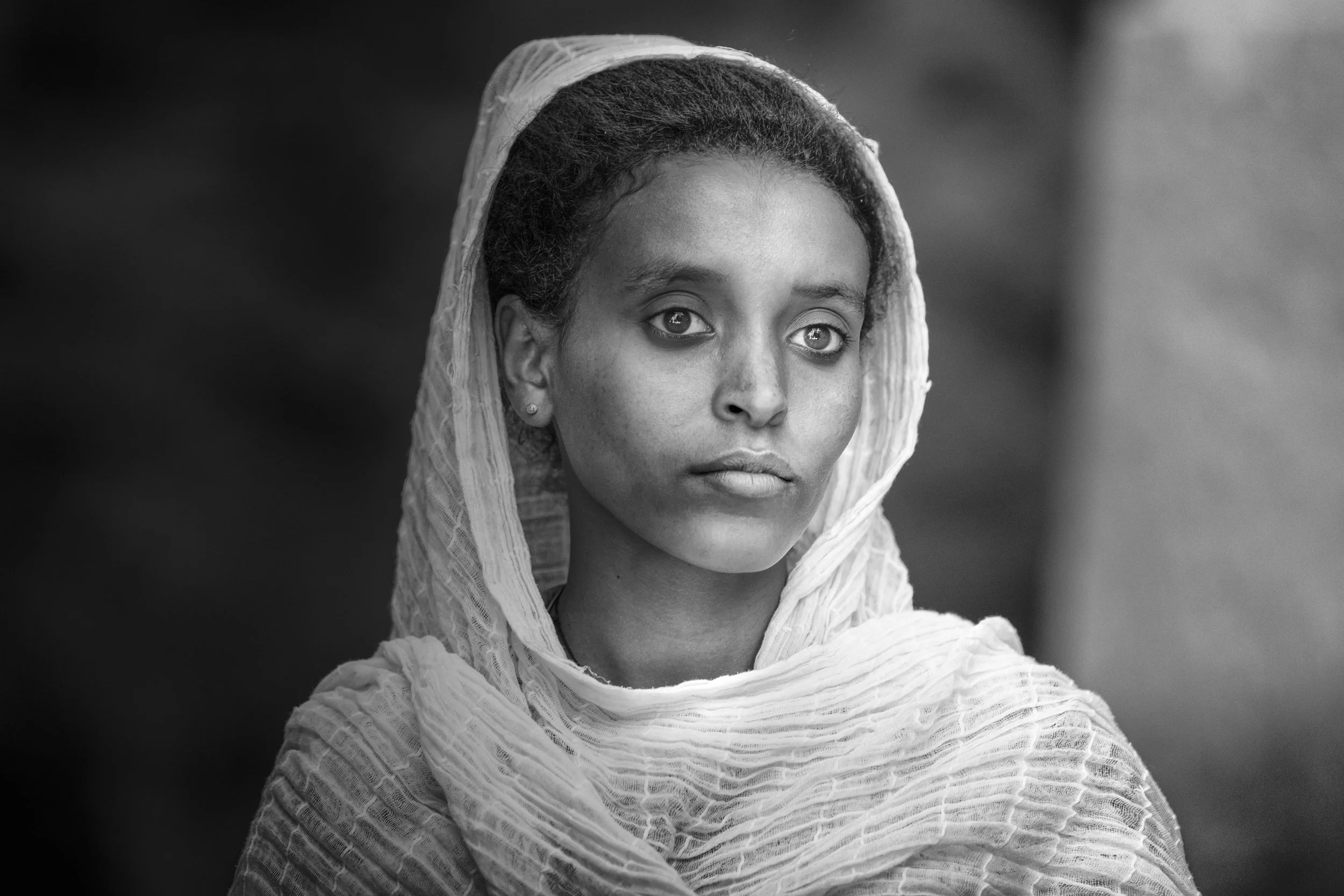
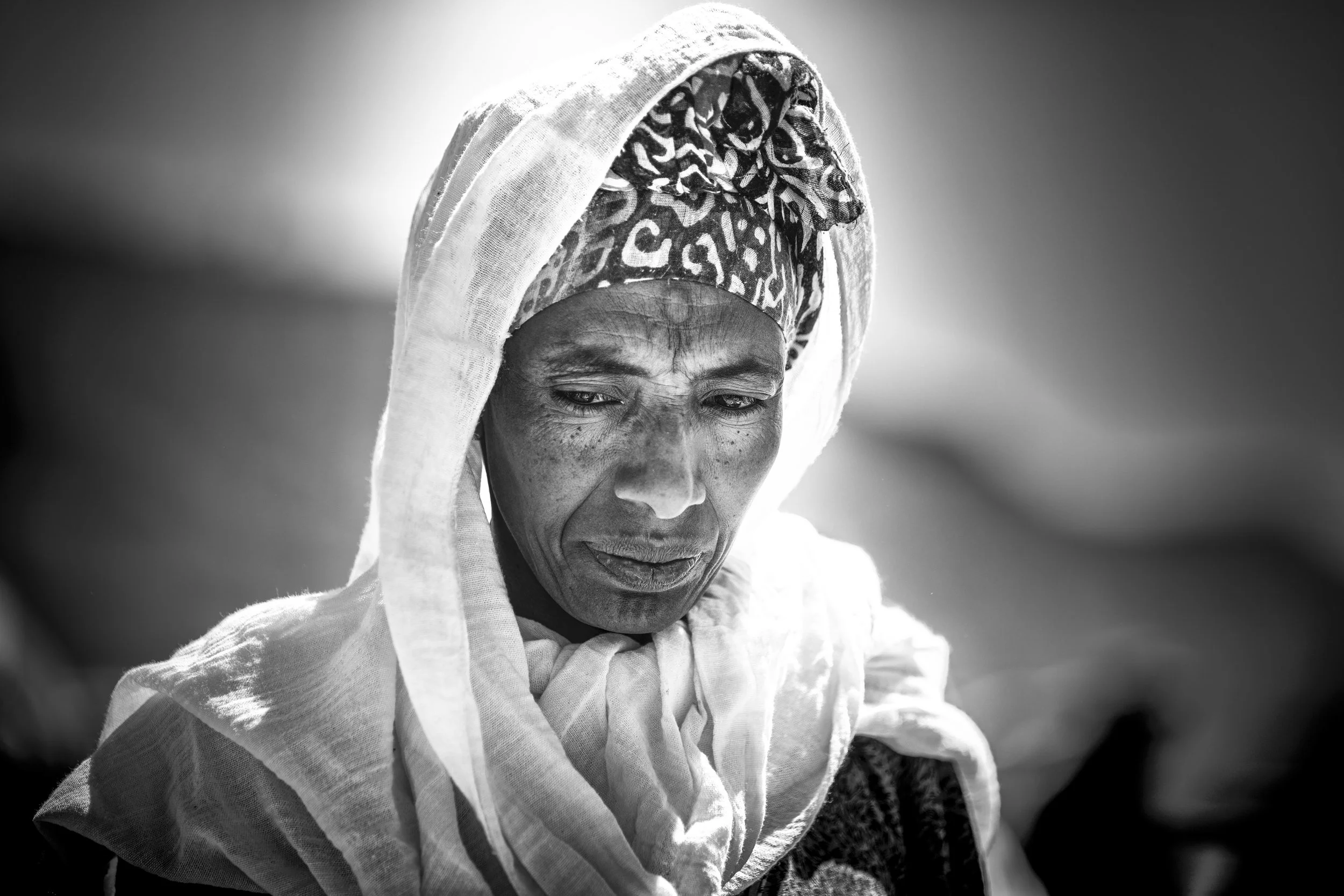
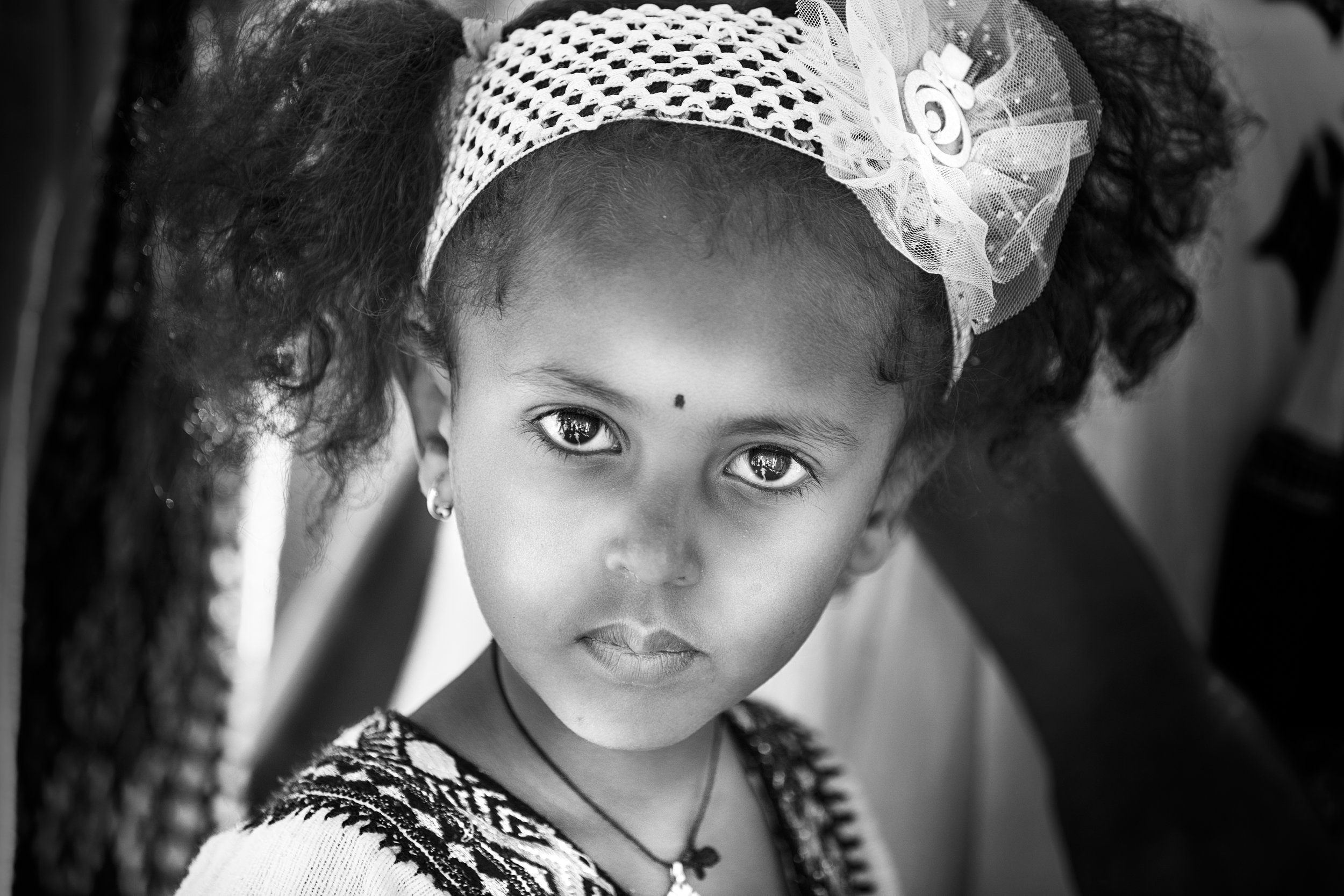
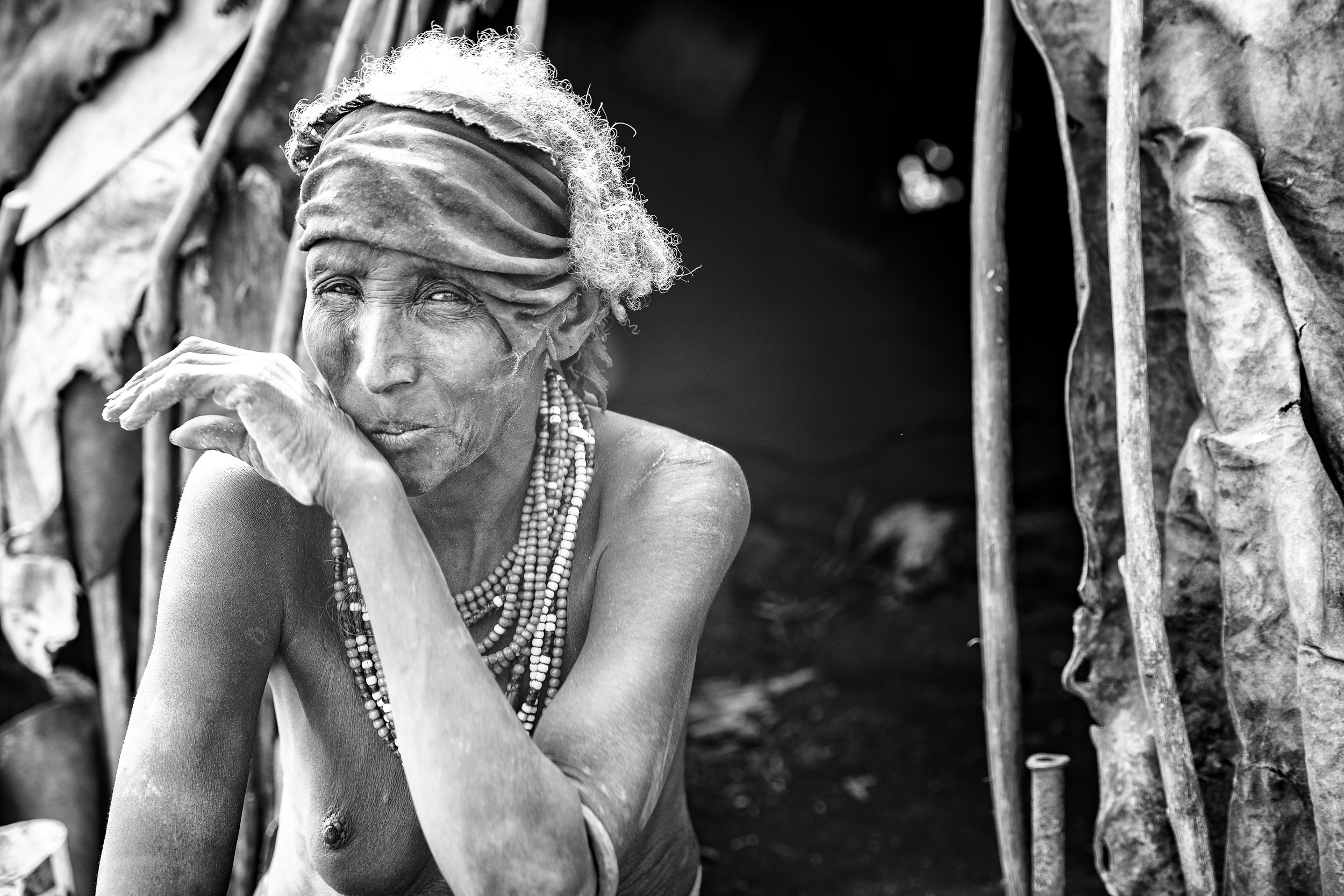
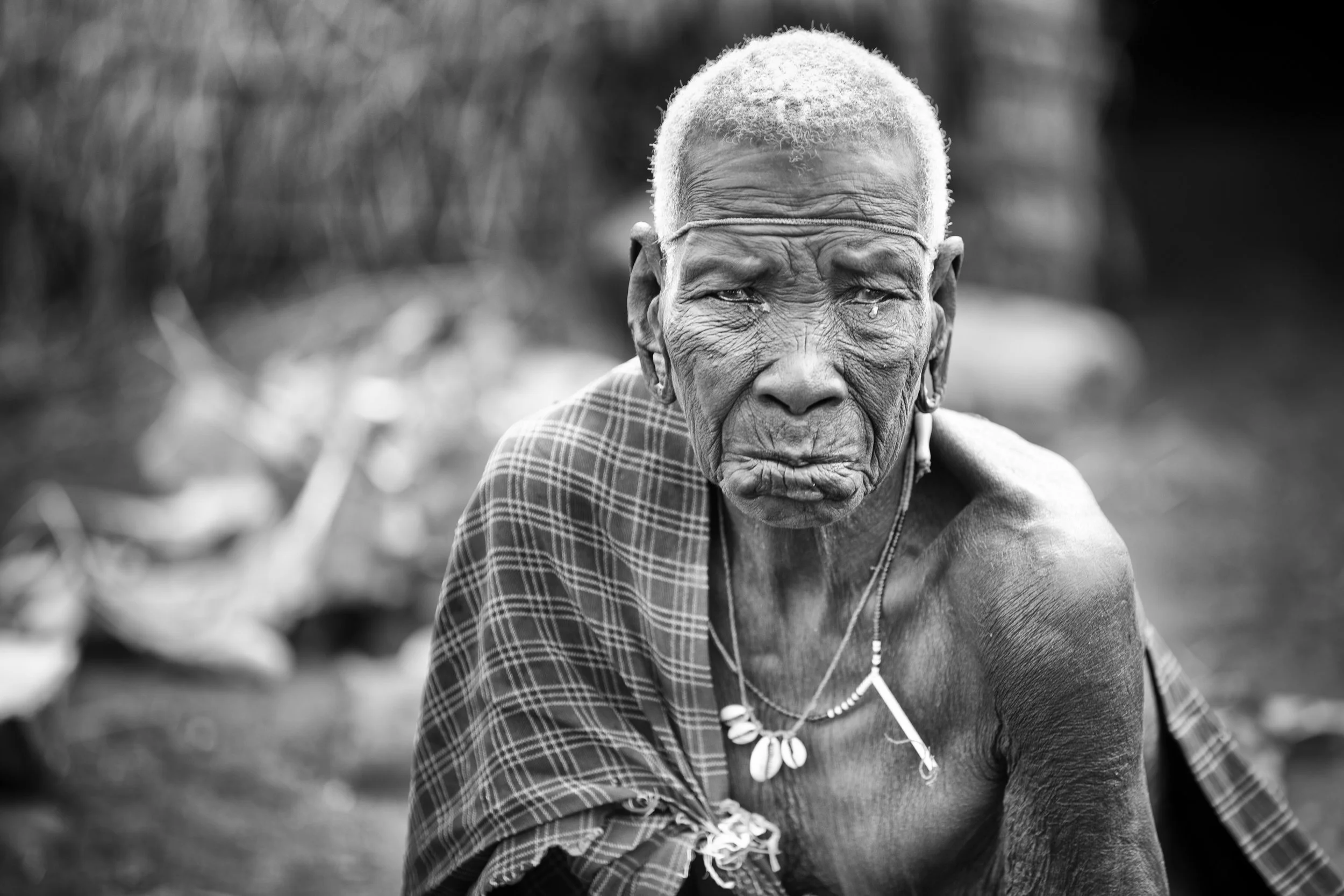
This presence reveals itself most powerfully in the women. Wrapped in white linen shawls, their heads covered, their movements dignified, they carry pride, mystery, and an innate elegance — even in poverty. I search their eyes for a fleeting moment of connection: it appears, then vanishes.
They do not invite communication; life weighs heavily. Yet they walk upright, one step after another, carrying children, water, wood — carrying continuity. There is something unsettling in their forbearance, their faith, their acceptance of life. Something that disturbs and humbles me.
Timkat transforms the streets into a sacred choreography: priests adorned in bright capes, umbrellas blooming with color, pilgrims kissing the ground, the cross, their written prayers left at church thresholds. Ritual unfolds everywhere, but I remain drawn to the street — to the senses, to what cannot be explained. Lalibela feels carved not only from stone, but from belief itself. Eleven churches hewn from rock, connected by narrow passages, shaped by hands that worked in devotion — as if guided by angels at night. A labor of faith beyond measure. At the heart of this legacy stands a woman:
Makeda — the Queen of Sheba.
A sovereign without a king. Wise, wealthy, equal to Solomon. Founder of a lineage that shaped Ethiopian identity for centuries. I see traces of Sheba in every woman I meet — in their resilience, their impenetrable faith, the quiet light that emanates from their faces. A beauty that is not meant to be seen, but read.
To these women, I bow. For intruding. For witnessing. For stealing fragments of intimacy I can never fully understand.
This work is not possession. It is listening. It is reverence.